
Before the pitch
Some of this will sound familiar.
Six things we hear in a first call. If one of them is yours, the layer that handles it is further down this page.
“Every page was drawn from scratch, so nothing quite matches and nobody can say which version is right.”
The layer that handles thisPriya
Head of Marketing
“The redesign looked great in the deck. What shipped is not what was in the deck.”
The layer that handles thisMarcus
Founder
“It works until it is busy, and then nobody can tell me which part gave way.”
The layer that handles thisDaniel
Head of Product
“The last agency moved on, and the code came with a login nobody still has.”
The layer that handles thisAisha
Operations Director
“It went down on a Saturday, and the first we heard about it was from a customer.”
The layer that handles thisTomas
Store Owner
“Traffic is up and sales are flat, and the report does not say which of those is the problem.”
The layer that handles thisHannah
Growth Lead


Why the obvious fix stalls
Four suppliers. Three places to fall through.
01
A design studio
Screens that look right
02
A dev shop
The build, to spec
03
A hosting provider
A server that stays up
04
A marketing agency
Traffic to the door


Each one did the job you hired them for. Nobody was hired to own the space between them, so that is where the work goes to die — in a quote for something that was already agreed, a handover nobody scheduled, and a bug that belongs to whoever answers last.
There is another way to arrange this.
How the four fit
Not four suppliers. One loop.
Each layer hands the next something specific. Nothing is re-drawn, re-specified or re-explained at a boundary, because there is no boundary to cross.
Design
Design hands over tokens and components, not a PDF.

Design Team
Engineering
The team that wrote it is the team that deploys it.

Dev Team
Infrastructure
Running it and growing it are the same monthly conversation.

DevOps Team
Growth
What Growth learns goes back into the design. That is the loop.

Project Manager
what Growth learns goes back into the design
Everything we do
24 ways in. Two ways to pay.
Projects are scoped once and delivered. Monthly services keep running until you stop them. Every card says which teams it takes, because that is the part nobody tells you up front.
Marked services can also be staffed as an embedded POD — our people on your team, under your brand — instead of a project.

Website
$3k–$12kDesign, build and launch, CMS included.
- Design
- Dev

Web application
$8k–$45kAuthenticated product with a real backend.
- Design
- Dev
- DevOps

Mobile app
$12k–$60kiOS and Android from one codebase.
- Design
- Dev

SaaS platform
$20k–$120kMulti-tenant, billing and onboarding.
- Design
- Dev
- DevOps
- PM
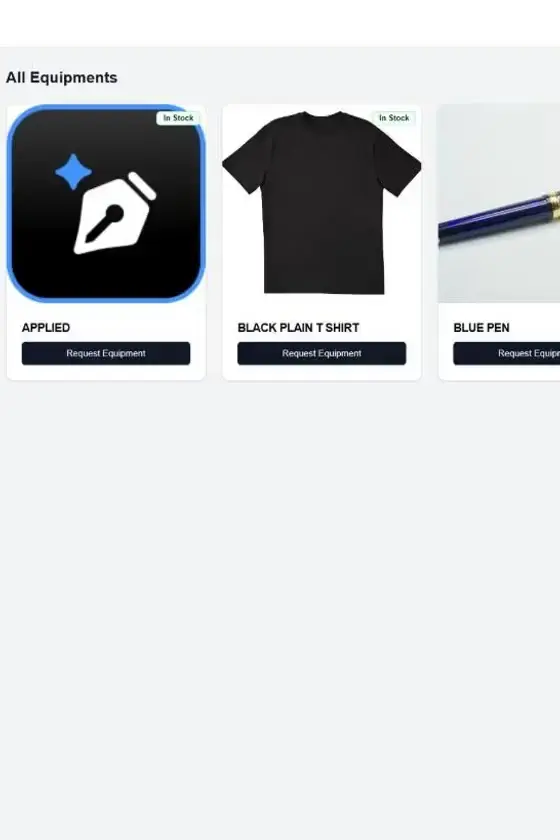
ERP & operations
$25k–$150kOperations software, resold under your brand.
- Design
- Dev
- DevOps
- PM
- POD
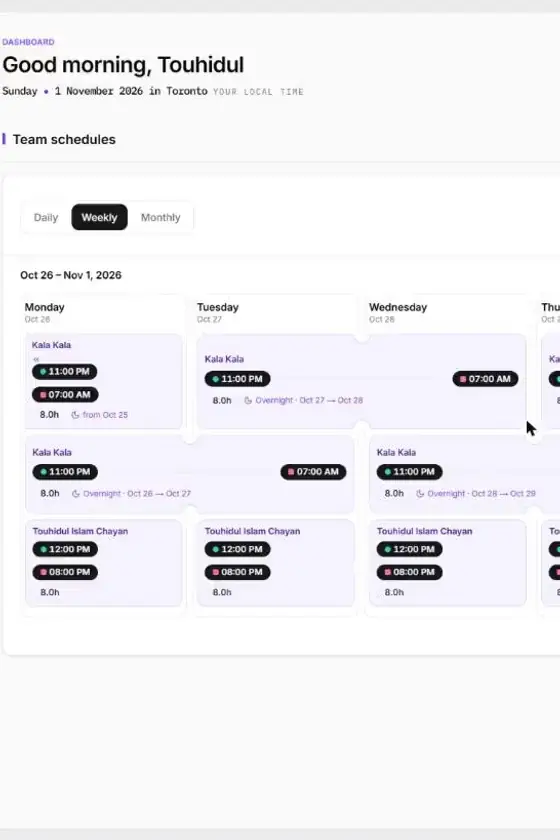
Admin & internal tools
$5k–$25kInternal tooling, roles and audit trail.
- Design
- Dev
- POD

Commerce systems
Headless storefronts built for payments at scale.
- Design
- Dev
- DevOps
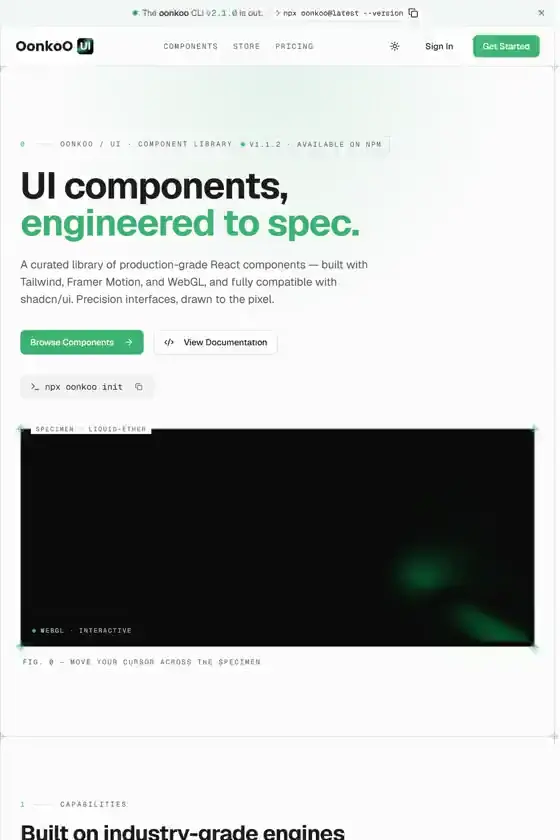
Product UI/UX
$2k–$18kResearch, interface and a design system.
- Design
- POD
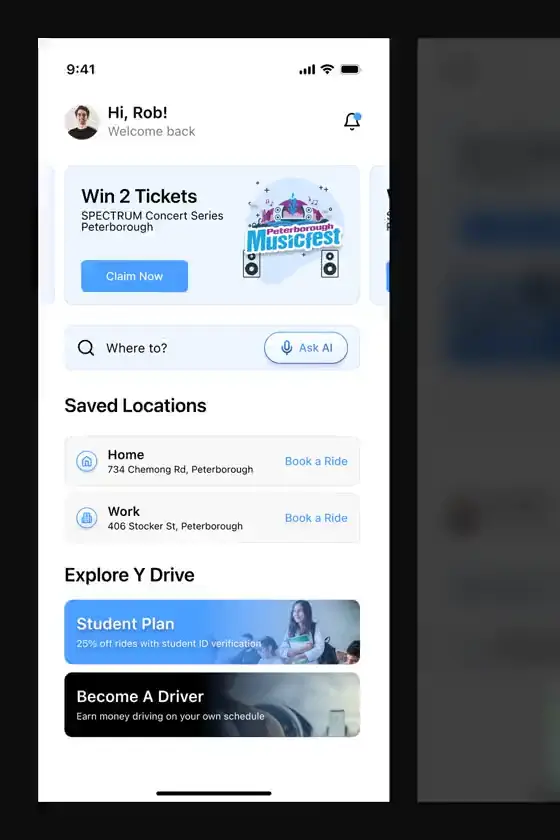
White-label UI
A component library your team ships under its own name.
- Design
- Dev
- POD
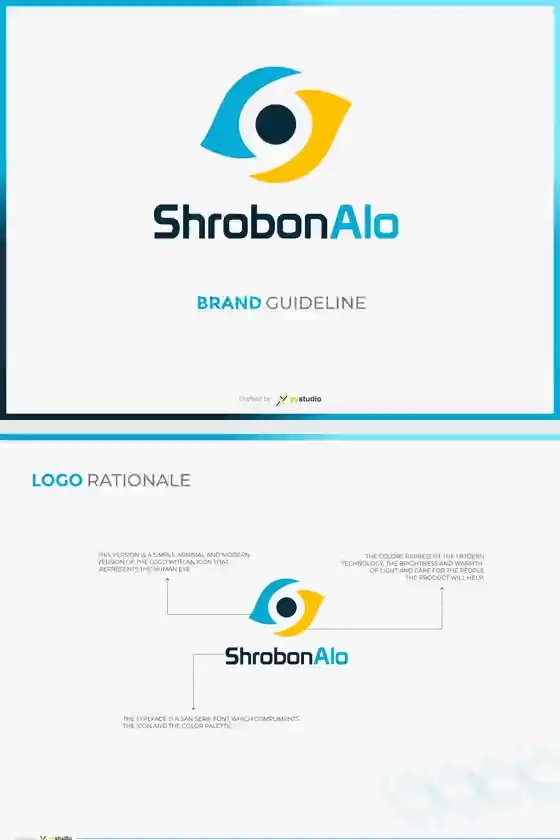
Brand identity
$3k–$20kPositioning, visual system and guidelines.
- Design

Logo & wordmark
$600–$4kMark, wordmark and usage rules.
- Design

Documents & collateral
Portfolio books, catalogues and pitch decks.
- Design
- POD
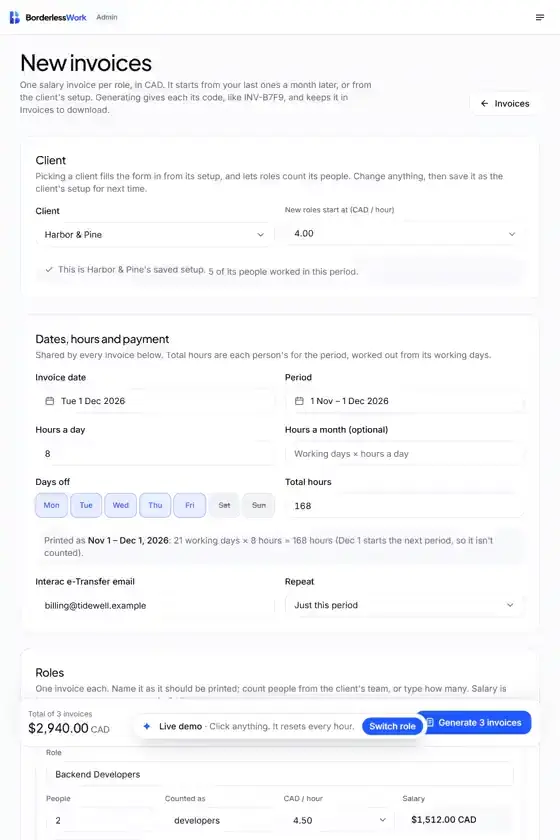
Billing & invoicing
Third-party invoice generation wired into your stack.
- Dev
- POD
Cloud & DevOps setup
Pipelines, environments and a migration that holds.
- DevOps
- Dev
- POD
Private AI agents
Agents and workflows that run on your own data.
- Dev
- DevOps
Knowledge & document AI
Search and answers across everything you already hold.
- Dev
- DevOps
AI audit & 30-day MVP
A week to find the cost, a month to prove the fix.
- Dev
- PM

Social setup
$800–$5kChannel setup, content system and reporting.
- Design
- PM
Maintenance & support
$250–$900/moPatches, monitoring, fixes and small changes.
- Dev
- DevOps
- POD
Hosting
$10–$250/moManaged infrastructure and backups.
- DevOps

Digital marketing
$300–$2k/moPaid acquisition, landing pages and reporting.
- Design
- PM

Social media
$300–$1k/moContent calendar, production and community.
- Design
- PM
Blog & SEO
$300–$1k/moTechnical SEO plus a publishing cadence.
- PM

OonkoO POD
Senior and junior people embedded on your team.
- Design
- Dev
- DevOps
- PM
- POD
How it runs
A manager on day one. Your codebase at the end.
The same four steps every time. The only one you have a decision to make in is the last.
A project manager who is yours
One person owns the account from the first call. They bring the timeline and the budget with them, and they are the one who tells you when either moves.
- PM
You watch it get built
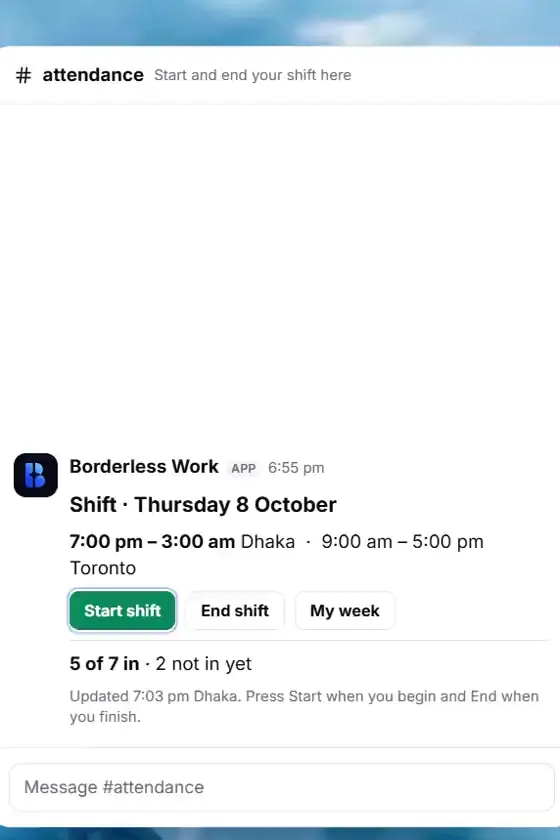
Progress lands in the OonkoO client portal — timeline, live status, every ticket you raise. Or it comes to you: the same updates post into your Slack or Discord.
- Design
- Dev
We publish, then hand it over
We ship it and then give you everything: the codebase, the assets, the accounts. No escrow, no licence on your own product, nothing held back to keep you here.
- Dev
- DevOps
Keep us, or keep our people
Take a monthly retainer and we maintain it. Or hire OonkoO engineers, a whole POD, or a white-label team that runs the work under your banner instead of ours.
- PM
- Design
- Dev
- DevOps


Side by side
Four suppliers, four contracts. Or one team that owns the seam.
Structural differences, not scores. Each row on the right is something you can check at handover rather than take on trust.
| Four suppliersor even more | OonkoO | |
|---|---|---|
| Who draws it | A studio, working to a brief | The team that also writes the code |
| Who builds it | A dev shop, working to a spec | The same people, in the same week |
| What crosses the boundary | A file, a spec, and a call to explain both | Nothing — there is no boundary to cross |
| The design system | Redrawn per page, so nothing quite matches | Tokens and components, handed over as code |
| A bug on the seam | Belongs to whoever answers last | One owner, named on day one |
| After launch | Four contracts end on four dates | One retainer, or our people under your banner |
| What you hold at the end | Whatever each contract happened to include | The codebase, the assets and the accounts |









Still worth asking
The five that come up once people have read the rest of this page.
Yes, and most engagements start that way. The loop is how the four fit together, not a minimum order — plenty of work here is a design system for a team that already has engineers, or hosting for a product someone else built.
That is a normal starting point. The first piece of work is reading what exists and saying plainly what is worth keeping, which sometimes ends in a short list of fixes rather than a rebuild.
You do, from the first commit. It is built in your repository under your organisation, and hosting and domains stay in accounts with your name on them — so leaving is a permissions change, not a negotiation.
Yes. There is no account layer between you and the people building it, and nothing is passed to a subcontractor — which is the whole reason the handoffs on this page can be described this specifically.
It stops at the end of the month, and what was built stays yours. Hosting can be pointed at your own account and the running work handed over with it; nothing is held back to keep a retainer alive.
